
 8970990695
I think back to the initial occasion I took a seat at a live roulette table online. The wheel spun with a satisfying whir, the ball clattered against the frets, and the dealer’s voice sounded through my speakers with a warm “no more bets.” It was genuinely electric, far detached from the solitary click of a digital random number generator. If you are in the UK and checking out platforms like Betclic Casino online betting, you have probably noticed how live roulette has become the focal point of the modern casino lobby. I want to guide you through the real essentials here, not just the rules you can find on a napkin, but the practical mechanics, the betting rhythms, and the little etiquette points that make the difference between being a nervous newcomer and a composed player who actually grasps what is taking place on the screen. Live roulette is a game of pure chance, yes, but mastering the basics means getting to grips with the environment, the interface, and the decision-making flow so you never feel rushed or confused when the timer starts running down.
European-style and French and American Wheels: Why the Variation Matters
If you heed only one piece of tactical advice from this article, let it be this: always check which wheel type you are seated at before you place a single chip. The standard European wheel has thirty-seven pockets, numbered zero to thirty-six, giving the house an edge of two point seven percent. This is the benchmark for sensible roulette play in the UK. French roulette uses the same wheel but adds the La Partage or En Prison rules on even-money bets. La Partage means you receive half your stake back if the ball lands on zero, effectively halving the house edge to just one point three five percent on those specific wagers. En Prison is slightly different; your bet is held over to the next spin, and if it wins, you get your stake back without profit. Both rules are hugely helpful to you as a player, and I actively seek out French tables with La Partage whenever I play at Betclic Casino. The difference might seem small in a single session, but over hundreds of spins, that reduced edge keeps your bankroll more robust for longer.
The American wheel is the one I urge you to approach with caution, or ideally avoid entirely if a European alternative is available. It adds a double-zero pocket, bringing the total to thirty-eight numbers and pushing the house edge up to five point two six percent. That is nearly double the European edge, and it means your money evaporates significantly faster on average. Some live casinos offer American tables because they are popular with certain audiences, but for a UK player focused on mastering the basics, the European and French variants are objectively superior. The wheel layout is physically different too; the number sequence around the wheel is not the same, which affects sector bets. When you browse the live lobby, the game title will clearly state the variant. I make it a habit to glance at the wheel itself on screen; a single green zero pocket confirms you are in the right place, while a second green pocket with a double zero is your cue to switch tables immediately. This single decision, made before the first spin, is the most impactful strategic choice you will make all session.
Navigating the Betting Window and Tools
The rhythm of live roulette is dictated by a tight betting window, and managing this window is the most practical skill you can acquire early on. When you sit at a table, you will observe a countdown timer, usually between twenty and thirty seconds, during which the betting grid is open. The dealer will release the ball, and at a certain point, they will announce “no more bets” or a similar phrase, and the interface will lock instantly. I have witnessed too many players get caught out trying to change a complex combination bet at the last second, only to discover the screen frozen. My tip is to decide on your bet sizes and patterns before the new round commences. Observe the dealer sweep the previous winning chips, and employ that moment to mentally commit to your next move. If you are making multiple inside bets, begin with the most precise ones, like your straight-up numbers, and then complete the broader split or corner bets. The interface is built to be user-friendly, with chip denominations typically ranging from one pound to several hundred pounds presented clearly at the bottom of your screen.
Most live roulette interfaces at Betclic Casino feature a “favourite bets” option, and I simply cannot recommend it enough. You can configure a elaborate pattern, perhaps a mix of a few straight-up numbers and a pair of corner bets, and keep it as a preset. With a simple tap, your full layout is placed instantly, sparing precious seconds and minimizing the risk of a mis-click. You will also find a rebet button that duplicates your previous wager exactly, which is helpful if you are sticking to a steady strategy. Another tool I employ constantly is the statistics panel. While past spins have no influence on future outcomes, the panel displays you hot and cold numbers, frequency charts, and percentage breakdowns. This data can help you stay more connected with the session, even if it should not dictate your betting decisions. The chat function is also part of the interface, and I will touch on that later, but for now, just know that a well-managed betting window is the trademark of a player who is managing of their session rather than scrambling frantically to a ticking clock.
Breaking Down the Betting Grid and Return Structures
The betting layout can appear overwhelming if you have only viewed a simple roulette arrangement, but I assure it becomes second nature once you divide it into three distinct categories: inner bets, exterior wagers, and the less frequent racetrack bets. Inside bets are those put straight on the numbered grid, from zero to thirty-six. A direct bet on a individual number returns a handsome thirty-five to one, but the chance of landing it on a European wheel with one zero is just over two and a half percent. You can diversify your risk by placing a split on the edge between two numbers, which pays seventeen to one, or a street on a three-number row for an eleven to one return. The corner, including four numbers where their corners touch, pays eight to one. These are the bread and butter of the layout, and I feel placing chips onto these specific positions using a touchscreen or mouse is far smoother in a live environment than it once was, as the software now positions your chip to the right spot by itself.
Outside bets are located on the periphery of the grid and include wider categories. Red or black, odd or even, and low or high are the standard even bets that offer one to one. Do not let the term “even money” mislead you into assuming the probabilities are fifty-fifty, however. The presence of the green zero pocket provides the house its margin, implying you will lose these bets slightly more often than you win them over a extended session. The dozen and column span twelve numbers each and offer two to one, giving a nice middle ground between the low variance of even bets and the high danger of inner numbers. On many live tables, particularly those from Evolution, you will see a racetrack overlay that shows the physical order of numbers on the wheel. This lets you to make called bets like Voisins du Zero or Tiers du Cylindre with a single tap. These are sector-based bets including specific slices of the wheel, and while they are popular in French roulette, they are now commonplace on most UK-facing live tables. I suggest leaving the payout table displayed in a part of your screen until you commit to memory these rewards.
Communicating with Dealers and Chat Protocol
The human element is what sets apart live roulette from every other online casino format, and I feel interacting with the dealer courteously enhances the whole experience. These are trained professionals who manage the game flow, spin the wheel, announce results, and interact with players via the live chat. When you send a message into the chat box at Betclic Casino, the dealer can see it on their monitor and will often respond verbally, using your username if the platform allows. I always start a session with a simple “hello” or “good evening.” It sets a friendly tone and acknowledges that there is a real person on the other end of the stream. Dealers appreciate polite conversation, but they are also focused on maintaining game integrity, so they will not talk about betting advice or share thoughts on your strategy. Asking how their shift is going or commenting on the studio atmosphere is perfectly fine; demanding predictions or complaining about a losing streak is inappropriate and makes the table unpleasant for everyone.
The messaging is also a space where you will engage, in a roundabout way, with other participants. Some tables have a vibrant community feel, with regulars greeting each other and marking wins together. I have seen real camaraderie develop on slower afternoon tables. However, you will sometimes encounter players who express frustration or try to judge others’ betting choices. My rule is straightforward: never interact with negativity. If someone is being disruptive, most platforms allow you to block individual chatters or reduce the chat window entirely. The dealer is also trained to handle this, and they will often subtly steer the conversation back to a pleasant place. From a realistic standpoint, using the chat should never divert from the betting window. I type my messages between spins, while the wheel is still spinning or after the result is declared, never during the active betting phase. This keeps your focus clear and ensures you do not miss making a bet because you were mid-sentence. A well-timed “congratulations” when a player hits a straight-up number goes a long way toward fostering that shared table energy that makes live roulette so compelling.
Understanding Dealer Signals and Game Flow
Beyond the chat, there is a non-verbal rhythm to every live roulette table that I have learned to read over time. The dealer executes a strict step-by-step process: they clear the layout, announce that betting is open, wait for the timer to count down, call last bets, and then spin the ball. Some dealers spin the ball instantly after calling no more bets, while others spin it earlier and let the betting window overlap with the ball’s initial revolutions. Noticing these patterns helps you anticipate the exact moment the interface will lock. I also pay attention to the dealer’s hand signals. When they sweep their hand across the table layout, it marks the end of the betting phase. When they place the dolly, a small marker, on the winning number, the payout process begins. Comprehending this physical choreography makes the digital interface feel more tied to the real-world action. You are not just tapping a screen; you are participating in a ritual that has been refined over centuries in brick-and-mortar casinos, now streamed directly to your living room in the UK.
Practical Bankroll Management for Live Sessions
Stepping into a live roulette session without a clear bankroll plan is like heading out on a long drive with no idea how much fuel is in the tank. I approach every session by first determining a total loss limit that I am genuinely comfortable with, an amount that would sting a little to lose but would not affect my ability to pay bills or enjoy the rest of my week. This is not just sound advice; it is a core part of the safer gambling tools that Betclic Casino and other UK-licensed operators are required to provide. You can set deposit limits, session time reminders, and reality checks directly in your account settings, and I suggest using them proactively rather than waiting until you feel you need them. Once I have my session bankroll, I divide it into betting units. If I have a hundred pounds and I am playing even-money outside bets, I might set my base unit at five pounds, giving me twenty units to work with. If I am mixing in inside bets, I reduce the unit size to two pounds to account for the higher variance.
The flow of live roulette means you will see roughly forty to fifty spins per hour, depending on the dealer’s pace and the table’s occupancy. This is a much slower pace than digital roulette, and that is a good thing for bankroll management. You have time to breathe between decisions. I avoid the temptation to recover losses by doubling up after a losing spin, a classic Martingale approach that can exhaust a bankroll alarmingly fast when a losing streak hits. Instead, I set a win goal for the session, perhaps twenty percent of my starting bankroll, and I walk away when I reach it. Stepping away is the hardest discipline to master because live roulette is genuinely enjoyable. The social atmosphere, the sound of the wheel, and the near-miss effect all work together to keep you at the table. I find that scheduling a specific end time, or using the session limit tools provided by the platform, helps me treat the game as a paid entertainment experience rather than a pursuit of profit. The goal is to leave the table with your enjoyment intact and your finances exactly where you planned them to be.
Mobile Gaming and Device Optimisation for Live Dealer Roulette
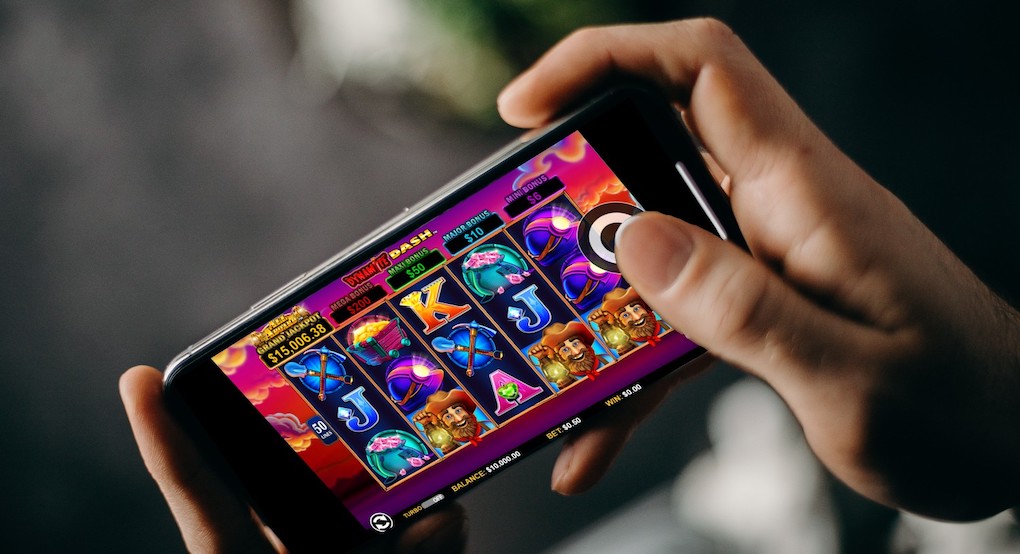
I conduct a large portion of my live roulette sessions on my mobile phone, and the user experience has gotten better immensely over the past few years. Betclic Casino, like many modern platforms, offers its live dealer games through a responsive web interface or a native app that requires no sacrifice on stream quality. the guide The critical to a smooth mobile session is making sure your device is up to date and your connection is stable. I typically switch to a Wi-Fi network rather than depending on mobile data, because a single drop in connectivity during a betting window can be expensive. The mobile interface adjusts the betting grid to fit a portrait or landscape orientation, and I find landscape mode offers a much clearer view of the wheel and the chat at the same time. The chip selection panel is commonly collapsible to maximize screen real estate, and the favourite bets feature becomes even more valuable on a more compact screen where precise tapping can be fiddly.
Optimizing Your Mobile Setup
There are a few helpful steps I take before starting a mobile session that I recommend any player to follow. First, I enable “Do Not Disturb” mode to prevent incoming calls or notifications from interrupting my betting window. A sudden banner alert can obscure the timer or the bet placement area at a critical moment. Second, I modify my screen brightness to a comfortable level and deactivate any blue light filters that might affect the colour of the betting chips. The red and black sections of the grid need to be clearly recognizable, and some night mode settings can wash out these contrasts. Third, I place my phone on a stable surface rather than keeping it in my hand for extended periods. This minimizes accidental taps and maintains the stream steady. If you are using a tablet, a simple folding stand works wonders. The audio is another factor I think about carefully. Using a Bluetooth earbud enables me to hear the dealer’s announcements clearly without bothering anyone nearby, and the immersive sound of the ball clicking into a pocket adds a layer of excitement that is lost when playing on mute.
Power and Efficiency Considerations
Real-time streaming is heavy on your device’s power and processor. I have learned the hard way that a session can cut off if I have not prepared for power consumption. Before beginning a longer session, I check that my battery is above fifty percent or maintain a charger nearby. Some older devices may get hot during extended streaming, which can cause the stream to stutter or the app to become frozen. If you observe your phone getting too hot, closing background apps can free up resources. The platform’s video quality settings are your ally here; dropping from high definition to standard definition lowers the processing load and data usage significantly, and on a smaller phone screen, the gap in visual clarity is often negligible. The goal is a seamless, unbroken connection to the studio so you can focus entirely on your betting decisions and the thrill of the spin, rather than dealing with technical problems.
Grasping the Live Roulette Studio Setup
When you launch a live roulette table at Betclic Casino, you are not just loading a game; you are stepping into a professionally managed broadcast studio. I consider it useful to see these studios as miniature television sets created especially for gambling. They usually have rich, moody lighting that focuses your eye on the wheel and the dealer, while multiple high-definition cameras capture every angle. You will usually have a main wide shot presenting the dealer and the full table layout, but you can often switch to a close-up view of the wheel itself. This is important because the clarity of the video stream directly impacts your ability to monitor results and place bets confidently. The studios are managed by specialist providers like Evolution Gaming or Pragmatic Play, and they operate under strict regulatory oversight. The equipment is calibrated constantly, and the wheels are balanced to ensure truly random outcomes. I always suggest taking a moment before you bet to review your stream quality settings. If your connection is shaky, dropping the resolution slightly can avoid that dreaded buffer right when the dealer calls last bets, which is a quick way to lose a winning number.
Aside from the cameras, there is a sophisticated piece of technology placed right in front of the dealer known as the Optical Character Recognition interface. Every time the ball lands in a pocket, sensors record the exact number instantly, and that data is sent to your screen’s betting grid within a split second. This is how the system recognizes to clear losing bets and mark winners automatically. You will also see a monitor or a tablet near the dealer where they can see the chat messages and, crucially, a timeline of the recent winning numbers. The history board displayed on your screen is not just for decoration; it is a direct feed from that same data capture system. Grasping this setup demystifies the process. You are watching a physical event, not a simulation, and the digital layer simply converts that physical event into an interactive experience. This hybrid nature is exactly why live roulette feels so trustworthy compared to purely animated versions of the game.
Recognising Fair Play and Security in the Real-Time Environment
When you play live roulette at a UK-licensed operator like Betclic Casino, you are shielded by a solid regulatory framework that ensures the games are fair and your funds are secure. The UK Gambling Commission demands operators to segregate player funds from operational accounts, indicating your deposited balance is maintained in a protected account and is accessible for withdrawal even if the company confronts financial difficulties. The live studio providers themselves are also authorised and audited by independent testing agencies. The wheels are inspected regularly, the random number generators used for any digital side bets are certified, and the entire video feed is tracked for anomalies. I find real reassurance in the fact that I can see the wheel spinning in real time, with no chance of the result being manipulated by software after I place my bet. This transparency is the core selling point of live dealer games, and it is backed by a level of scrutiny that digital-only games do not always visibly demonstrate.
The payment methods available to UK players further bolster this security. You will typically encounter options including Visa and Mastercard debit cards, PayPal, Skrill, Neteller, and bank transfers. Credit card deposits are banned for UK gambling, a regulation designed to prevent borrowing for betting. Withdrawal processing times differ by method, with e-wallets often finishing within twenty-four hours after the pending period, while bank transfers may need three to five business days. I always finish the account verification process, known as Know Your Customer or KYC, as soon as I register. This includes uploading a photo ID and a recent utility bill or bank statement. Doing this proactively means that when you request your first withdrawal, there are no delays while your documents are reviewed. The platform’s responsible gambling tools, including deposit limits, time-outs, and self-exclusion options, are not concealed in fine print; they are usually accessible directly from your account dashboard. Using them is a indication of a mature, informed player, not an confession of a problem. Mastering live roulette is not just about learning where to place your chips; it is about grasping the entire ecosystem that keeps the wheel spinning fairly and your experience safe.